






CRISPR Rice Revolution: The “Kamala” Breakthrough in Modern Agriculture
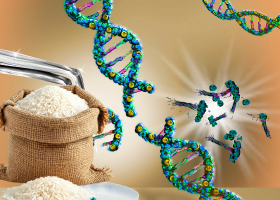
🌾 CRISPR Rice Revolution: The “Kamala” Breakthrough in Modern Agriculture
Agriculture is entering a powerful new era with the help of gene-editing technology. One of the most exciting advancements is the development of CRISPR-edited rice varieties—often referred to as “Kamala Rice” in research discussions—representing a new generation of climate-resilient, high-yield crops.
Let’s explore how CRISPR technology is transforming rice cultivation and what this means for the future of food security.
🧬 What is CRISPR?
CRISPR-Cas9 is a revolutionary genome-editing tool that allows scientists to precisely modify DNA sequences in plants, animals, and microorganisms.
Unlike traditional genetic modification (GMO), CRISPR enables:
- Precise gene editing
- Faster breeding cycles
- Minimal unintended changes
- No introduction of foreign DNA (in many cases)
In agriculture, this technology is being used to enhance crop traits efficiently and safely.
🌾 Why Focus on Rice?
Rice is a staple food for more than half of the world’s population, especially in countries like India, China, and across Southeast Asia.
- Challenges in rice farming include:
- Climate change (drought, floods, salinity)
- Pest and disease attacks
- Nutrient deficiencies
- Yield instability
To address these issues, researchers are applying CRISPR-based genome editing in Oryza sativa, the primary cultivated rice species.
🌱 What is “Kamala” CRISPR Rice?
“Kamala” refers to an emerging CRISPR-edited rice variety designed with improved traits such as:
✅ 1. Higher Yield
Gene modifications target growth-regulating pathways to increase grain number and size.
✅ 2. Disease Resistance
CRISPR is used to knock out susceptibility genes, making rice resistant to:
Bacterial blight
Blast disease
✅ 3. Climate Resilience
Edited genes enhance:
Drought tolerance
Flood resistance
Salinity tolerance
✅ 4. Nutritional Enhancement
Some CRISPR-based rice projects aim to:
Increase micronutrients (Iron, Zinc)
Improve protein content
🔬 How Does CRISPR Editing Work in Rice?
- Identify a target gene responsible for an undesirable trait.
- Design a guide RNA specific to that gene.
- Use CRISPR-Cas9 to cut the DNA at the target location.
- Allow natural repair mechanisms to modify the gene.
- Screen and select improved plants.
- The entire process is significantly faster than conventional breeding, which may take 8–10 years.
🌍 Global Research and Development
- Countries like:
- Japan
- United States
- China
- India
are actively investing in CRISPR-based rice research to ensure food security and sustainable agriculture.
⚖️ Is CRISPR Rice Safe?
- Many regulatory bodies differentiate between:
- Traditional GMOs (with foreign DNA)
- Gene-edited crops (without foreign DNA)
In several countries, CRISPR-edited crops are subject to less strict regulations compared to transgenic GMOs, depending on the editing method used.
Scientific consensus indicates that CRISPR-edited crops are as safe as conventionally bred crops when properly evaluated.
🚀 Future of CRISPR Rice in India
With increasing climate uncertainty and growing population demands, CRISPR-edited rice varieties like “Kamala” could:
- Improve farmer income
- Reduce pesticide usage
- Enhance nutritional quality
- Support sustainable agriculture
India’s strong agricultural research institutions are expected to play a major role in advancing gene-edited crops.
🌾 Conclusion
CRISPR technology is reshaping the future of rice cultivation. The development of advanced varieties like “Kamala” rice symbolizes a shift toward precision agriculture—where science meets sustainability.
As genome editing continues to evolve, CRISPR rice could become a cornerstone of global food security, especially in rice-dependent nations.
Comments
Latest TrendShrishti
06 Sep 2026This blog is very informative and tells so much about the latest happenings around crispr. I feel this blog helped me know so much more about crispr.
Vinesh G Nair
05 Sep 2026A very interesting development in Indian agricultural biotechnology. The CSIR-PR edited rice variety, Kamala, is a promising step toward developing improved crops with better yield, resilience, and nutritional value. It is encouraging to see Indian research contributing to the future of sustainable agriculture.
Daisy Florance
30 Aug 2026This article is a spotlight for CRISPR Cas9 and gene editing. Very informative yet it would be more interesting if the technical detailing was Elaborate. Easy understandable for the beginners.
Sukanya Charan
30 Aug 2026An inspiring breakthrough in modern agriculture.The "Kamala" rice study beautifully demonstrates how a small and precise CRISPR-based genetic change can lead to a significant increase in crop yield. The 19% higher yield is truly impressive, with exciting potential for improving other crops as well.
Ankita Shit
30 Aug 2026Great read! Genuinely didn't know CRISPR was being used on rice like this. The drought and flood resistance part is huge tbh, especially with how unpredictable monsoons have gotten the last few years. Farmers here already have enough to worry about with prices, so anything that gives them a bit more stability with yields is welcome. My only hope is this actually reaches small and marginal farmers and doesn't stay limited to big agri companies or export-focused farms. Awareness on the ground is the real challenge, not just the tech itself. Would love to see a follow-up piece on how 'Kamala' rice is actually being rolled out and whether farmers are getting proper training/support to adopt it.
S ABINAYA
30 Aug 2026The “Kamala” rice shows that gene editing is not just about changing DNA, but about creating useful traits that can make a real difference in agriculture. It’s really interesting to see how CRISPR technology can be used to address real challenges and shape the future of sustainable farming.
Avishikta Ghosh
30 Aug 2026Excellent insight about the role of cRISPR Cas 9 in revolutionizing agriculture. Conceptually explained and easily understandable.
Mohommed shahid
14 Aug 2026Interesting and use full research done in the Development of crispr-ca9 how it is improvising the iron,zinc in the rice .the kamala rice in which they Developed such . Useful to farmers by using less pesticides and foll the food safety. It is a great full Research done and they have made it by without adding any Foreign DNA. Then by the Observing the climate resielience and developing the nutritional enhancement orzya sativa. Best and great Development in agriculture.
Sanjeev Kumar
14 Aug 2026This is very informative workshop .The concepts were explained clearly, and the session helped me understand the applications of CRISPR technology in modern research.
Kshitdhar Kapadia
14 Aug 2026Very fascinating. I never knew how much useful gene editing really was before reading this post
Anish Nair
14 Aug 2026This article is really interesting. What stands out to me most isn't just the 19% higher yield, but how the scientists actually did it. Instead of turning the CKX2 gene off completely, they only changed it a little bit — and that small change worked better than a full knockout. That's a small but important idea in gene editing: sometimes tweaking a gene works better than switching it off entirely. If this idea works for other crops too, the real breakthrough might not be CRISPR itself, but this shift toward small, precise changes instead of big, all-or-nothing edits.
Rashi
14 Aug 2026Very informative article about CRISPER Mechanism and its uses in various scientific fields.
Divya Dinesh Mali
14 Aug 2026The session was very informative and interesting. I learned a lot about CRISPR and its applications in modern biotechnology. Thank you for the wonderful session!
Navkiran kaur
14 Aug 2026The explanation of the CRISPR-Cas9 gene editing system was clear, well-organized, and highly informative. Key concepts such as genome editing, the role of guide RNA, and Cas9-driven DNA cleavage were presented effectively, supported by appropriate examples.
Naina
14 Aug 2026it was a great session
Samridhi Sharma
01 Jun 2026Great overview of how CRISPR technology is being used to improve rice varieties. The potential for higher yields, disease resistance, and climate resilience could play a significant role in future food security.
Anushka Thomas
31 May 2026A well written and highly informative log.
Brishti Jana
31 May 2026The Kamala breakthrough is a massive milestone for sustainable agriculture. By using CRISPR to fine-tune the rice plant's natural genes instead of inserting foreign DNA, scientists achieved a 19% yield boost and cut maturity times by 20 days. As someone deeply fascinated by biotechnology, seeing a climate-resilient, disease-resistant variety successfully clear field trials and head toward real-world cultivation is incredibly encouraging. It's a perfect example of how precision science can safely solve global food security challenges.
Santhwana A K
30 May 2026Informative
MALINI K
30 May 2026Got more information regarding CRISPR Cas 9 technology and its applications in cultivation of Kamala rice. Crispr cas 9 technology is highly recommended for agricultural practices to prevent yield and commercial losses.
Akshita Jain
30 May 2026A fascinating read on how CRISPR technology is transforming agriculture. The potential of genome-edited rice varieties like Kamala to improve yield, enhance climate resilience, and strengthen food security is truly remarkable. It’s exciting to see scientific innovation being applied to real-world agricultural challenges while supporting sustainable farming practices.
Kritika Manral
30 May 2026Really enjoyed reading this. The way you’ve explained the science behind CRISPR rice is both clear and engaging, especially how it connects directly to real agricultural challenges like climate resilience, crop yield, and food security. It’s great to see such complex research presented in a way that feels relevant not just scientifically, but socially as well. Content like this helps bridge the gap between innovation and everyday impact.
Seemal Shukla
30 May 2026The CRISPR rice revolution is truly a remarkable breakthrough in modern agriculture. It has the potential to improve crop yield, enhance disease resistance, and support global food security in a sustainable way. Such innovations can greatly benefit farmers and future generations while reducing the environmental burden on agriculture.
Bhumika Naik
30 May 2026"Kamala rice is an excellent example of how CRISPR-Cas9 technology can be used to improve crop traits with precision, contributing to sustainable agriculture and food security."
VISHAL BHATTI
30 May 2026A well-written and informative article on the remarkable impact of CRISPR technology in agriculture. The Kamala rice breakthrough demonstrates how cutting-edge genome-editing tools can contribute to enhanced productivity, sustainability, and resilience in crop production. Such innovations hold immense promise for the future of global food security.
Albin Sunny
30 May 2026A remarkable example of how gene editing can improve crop productivity and sustainability. 👏👏
Monika Ranganath Khandare
30 May 2026Great article! It clearly explains how CRISPR technology can help develop better rice varieties with higher yield, improved nutrition, and resistance to environmental stresses.
Monika Ranganath Khandare
30 May 2026Great article! It clearly explains how CRISPR technology can help develop better rice varieties with higher yield, improved nutrition, and resistance to environmental stresses.
Rakhi Rajput
30 May 2026Excellent explanation of how CRISPR technology can improve rice production and food security and support sustainable agriculture. A promising step toward higher yields and better crop resilience.
KALAINILA U
30 May 2026This article clearly explains how CRISPR technology is helping farmers through the development of ‘Kamala’ rice. By making rice more resistant to drought, floods, and diseases, it ensures better yields and income stability. Such innovations are important for food security and sustainable farming in India. With proper support and awareness, CRISPR-edited crops can truly benefit farmers and future generations.
Swati Garg
30 May 2026Excellent overview of CRISPR's potential in rice cultivation. While the post effectively outlines the agronomic advantages of "Kamala" varieties, it would strengthen the argument to include more specific information about India's regulatory pathway for gene-edited crops and concrete timelines for commercial deployment. Additionally, addressing the economic feasibility for small-holder farmers—who constitute a significant portion of India's rice producers—would enhance the practical applicability of the proposed solutions.
Vineeta Johri
29 May 2026The "Kamala" CRISPR rice breakthrough marks a massive leap for global food security. By precisely upgrading yield, climate resilience, and disease resistance without foreign DNA, gene editing bypasses the drawbacks of traditional GMOs. It’s a game-changing, sustainable solution that delivers faster crop breeding to feed a changing world.The author does a fantastic job of explaining CRISPR technology without drowning the reader in heavy technical jargon. Clearly distinguishing it from traditional GMOs by highlighting that it uses "no foreign DNA" shows high accuracy and deep understanding.
Aiswarya Mohan
29 May 2026Interesting and well-structured blog on CRISPR rice technology. The discussion on climate resilience and disease resistance was especially relevant. However, the term “Kamala Rice” may need clearer sourcing or scientific context to strengthen credibility. Overall, a strong introduction to modern agricultural biotechnology.
Archana S A
29 May 2026An exceptionally informative and well-structured article. The discussion on CRISPR-mediated rice improvement highlights the transformative potential of genome-editing technologies in sustainable agriculture. The explanation of the “Kamala” breakthrough was both clear and scientifically engaging.
B. TRIPATI DORA
29 May 2026Excellent and informative blog on CRISPR-edited rice technology. the role of CRISPR in improving yield, disease resistance, climate resilience, and nutritional quality in rice. This blog also gives a positive vision for the future of sustainable agriculture and food security in countries like India. Overall, a well-written and educational article that connects biotechnology with real-world agricultural challenges. Great work!
Ruchi Pandey
29 May 2026This post provides a really clear breakdown of how CRISPR is being applied to rice cultivation. Reading about the Kamala variety helps connect the theory from our modules to actual field applications. The contrast you highlighted between the 8–10 years needed for conventional breeding and the speed of targeted CRISPR editing really emphasizes why this is such a breakthrough for agricultural sustainability. Thanks for the helpful summary.
Srushti GU
29 May 2026A remarkable breakthrough showing how CRISPR technology can reshape sustainable agriculture and strengthen global food security. “Kamala” rice is a perfect example of science and innovation working together for farmers and the future of farming.
Bhrajishnu Dev Choudhury
29 May 2026This is a great overview of CRISPR-Cas9 Technology and its real life application . south asian countries such as INDIA is heavily dependent on rice and this CRISPR-cas9 technology is bringing revolution to the its cultivation methods and nutrition quality. as a student of biological science i am very exited to see future applications and advancement of this technology
Seemal Shukla
29 May 2026"By precisely editing the OsSPL14 promoter with CRISPR–Cas9, Kamala rice can be engineered to produce more panicle branches and higher yields without compromising grain quality—provided rigorous off-target screening, multi-season field trials, and regulatory safeguards are completed."
Prachi Giri
29 May 2026This study beautifully highlights how CRISPR technology is transforming modern agriculture through precision genome editing. The concept of “Kamala” rice demonstrates how science can address real-world challenges like climate change, food insecurity, and crop diseases simultaneously. Especially impressive is the focus on higher yield, nutritional enhancement, and reduced pesticide dependency, which can greatly benefit both farmers and consumers. Such innovations show the immense potential of biotechnology in building a sustainable and resilient agricultural future.
Nayan Borsadiya
29 May 2026Excellent Overview of CRISPER Cas9 Technology for development of Kamala Variety.
Keshav sharma
29 May 2026"Great overview of the basics! What really sets CRISPR apart from older, traditional genetic modification is its ability to achieve site-directed mutagenesis without the need to introduce foreign DNA (like plasmids). It’s amazing how we can solve massive agricultural challenges just by precisely guiding the plant's own natural repair mechanisms to silence specific genes."
Tejinder Preet
29 May 2026CRISPR technology is revolutionizing agriculture by enabling precise, rapid crop enhancements. CRISPR-edited crops secure food supplies, cut pesticide dependence and increase farmers' incomes, paving the way for sustainable global agriculture.
Aadya Gupta
29 May 2026This is actually fascinating. Seeing how CRISPR is being explored in agriculture makes me Excited for the future of food security and sustainable farming
Abhirup Kundu
27 Apr 2026This is a very insightful and well-explained article on the application of CRISPR-Cas9 in agriculture. The concept of “Kamala” rice clearly shows how modern biotechnology can address real-world challenges like climate change, food security, and nutritional deficiencies. I especially liked how the article highlighted the advantages over traditional GMOs, particularly the precision and speed of gene editing. The focus on traits like disease resistance, higher yield, and stress tolerance makes this innovation highly relevant for countries like India where rice is a staple crop. Overall, this is a great example of how science and sustainability can work together for the future of agriculture.
Pratibha Sharma
21 Apr 2026CRISPR technology is bringing a major change in modern agriculture by making crop improvement faster and more accurate. New rice varieties like “Kamala” show how scientists can directly edit genes to improve important traits. These rice plants can produce higher yield, resist major diseases like bacterial blight and blast, and tolerate difficult environmental conditions such as drought, floods, and salinity. In addition, CRISPR can also improve the nutritional quality of rice by increasing essential micronutrients like iron and zinc, which are important for human health. This makes such crops not only productive but also beneficial for reducing malnutrition. Compared to traditional breeding methods, which take many years, CRISPR technology works in a shorter time with more precision and fewer unwanted changes. It also often does not involve adding foreign DNA, which makes it more acceptable in many countries. As climate change and population growth continue to put pressure on agriculture, CRISPR-edited rice can help farmers by reducing crop losses, lowering the need for pesticides, and increasing income. It can also support sustainable farming practices and protect the environment. Overall, CRISPR-based rice varieties like “Kamala” have great potential to improve food production, enhance nutrition, and ensure food security. This technology represents an important step toward a stronger, safer, and more sustainable agricultural future.
DIPUL KUMAR BISWAS
21 Apr 2026The explanation of the CRISPR-Cas9 gene editing system was clear, well-organized, and highly informative. Key concepts such as genome editing, the role of guide RNA, and Cas9-driven DNA cleavage were presented effectively, supported by appropriate examples.
Bhavya Gautam
20 Apr 2026Excellent overview of CRISPR rice revolution. topics are explained very clearly and a lot of information about genome editing
anjali m
20 Apr 2026very informative and provides great knowledge on the topic. I really appreciate the clarity and depth of explanation—it made the concepts easy to understand. Looking forward to reading more such insightful content!
Ms. Manasi Pangarkar
20 Apr 2026The blog on CRISPR Rice Revolution: The “Kamala” Breakthrough in Modern Agriculture is so Informative. The use of CRISPR tool in Agriculture is explained so well. This one step will definitely help farmers in the long run.
Shayeri Singha
20 Apr 2026Very informative blog
Kiran Munne
20 Apr 2026A breakthrough research
Nisha Chakraborty
20 Apr 2026It's a well explained overview of CRISPR used in Agriculture. I loved how these details are so easy to understand and it definitely makes our interests rise regarding this particular topic.
Ashwini Patil
15 Apr 2026This explains the concept of gene editing,cRISPR EDITING IN RICE,WERE AGRICULTURE CAN BE CHANGED REVOLUTIONARILY WITH GOOD YIELD
Kilaru Naga Hari Chandana
15 Apr 2026Concise and impactful explanation of CRISPR role in modern agriculture, making complex science easy to understand.
Tina Joseph
15 Apr 2026Highly informative blog
Jintu Benny
15 Apr 2026It's highly interesting and informative Blog👍👍👍
Stuti Gandhi
15 Apr 2026Really well-structured post on CRISPR-Cas9 technology — the explanation of how precise gene editing improves rice yield, nutrition, and climate resilience was very easy to understand. The concept of 'Kamala' rice is a brilliant example of how modern biotechnology is actively shaping the future of sustainable agriculture!
Siva Ramakrishnan S
15 Apr 2026Clear, well-structured overview of CRISPR technology and its relevance to rice improvement.
VISHWANATH BIDARAMALI
15 Apr 2026Excellent Overview of CRISPER Cas9 Technology for development of Kamala Variety.
Haneena Shamsu AM
15 Apr 2026The insight based on this CRISPR CAS 9 technology is very informative it gives an idea how this gene editing tool works in modern biotechnology
Afrin Kotwal
15 Apr 2026Very well explaination about CRISPR technology in improving rice yield and how biotechnology is contributing in sustainable agriculture . Very well structured informative and excellent overview about the concept pf genome editing.
RAMIJ RAJA
15 Apr 2026This blog provides an understandable and perceptive look at how CRISPR technology is changing contemporary agriculture. "Kamala" rice serves as an excellent illustration of how precise gene editing can be used to address important problems including higher productivity, insect resistance, and climate resilience. It is amazing how biotechnology advancements are boosting global food security and opening the door for more sustainable farming methods. The future of intelligent and effective agriculture is unquestionably being shaped by CRISPR-driven advancements.
Kayalvizhi Bharathidasan
15 Apr 2026This work emphasize both the scientific innovation and its broader implications for sustainable agriculture and food security, it offers a well-balanced perspective on the transformative role of genome editing in modern farming.
Nafeesa nizana
15 Apr 2026I found it very informative
VINAY.K.
15 Apr 2026very informative and good one to understand
Dr G Vijayarani
15 Apr 2026It can give nonadulterated rice, can take without fear of diseases
MEERA KRISHNA
15 Apr 2026This was informative and incorporating cRISPR in improving rice yield and nutrition was a game changer.
Banusri. M
15 Apr 2026Its highly interesting!!
SANNITHA V
07 Apr 2026This is a very insightful and well-explained post on CRISPR technology in rice. The concept of “Kamala” rice clearly shows how gene editing can improve yield, climate resilience, and nutritional quality. It’s encouraging to see biotechnology contributing to sustainable agriculture, though careful evaluation of long-term effects remains important.
Bhaswati Biswas
07 Apr 2026This is very informative, I found it interesting how CRISPR technology is being used to improve rice varieties like Kamala by increasing yield, saving water, and making crops more resistant to climate stress. It clearly shows how modern biotechnology can help in sustainable agriculture and food security. At the same time, it also made me think about the need to carefully evaluate long-term effects and safety. Overall, it gave a balanced and practical understanding of this breakthrough.
Pranidhi Pragya
07 Apr 2026This is very insightful research and it is very useful as researchers are using CRISPR based genome editing in oryza sativa. CRISPR -Cas9 is revolutionary genome -editung tool . CRISPR technology is Transforming rice cultivation . CRISPR edited rice variety have improved traits and can survive drought, flood and salinity . it helps in improving farmers income , reduce pesticide usage , enhance nutritional quality and also support sustainable agriculture.
Selina Majhi
07 Apr 2026This is incredibly informative, shedding light on India's groundbreaking CRISPR-edited rice variety. As a researcher in plant nanovesicles, I appreciate how it highlights precise gene edits without foreign DNA. It thoughtfully addresses concerns like off-target risks and seed sovereignty while positioning India as a leader in genome editing. Eager for more on farmer trials.
Stuti Gandhi
07 Apr 2026This is a very insightful and well-structured overview of CRISPR-based gene editing in Oryza sativa. It clearly highlights how precision editing can improve yield, resilience, and nutritional quality. Such innovations hold great promise for sustainable agriculture and food security. Integrating this with traditional breeding will further enhance its impact.
Anchal Yadav
07 Apr 2026it is an insightful research and scientists have sucessfully found the right way to introudce this methods among the upcoming farmers..and evolution of agricultural aspect.
Kishore S
06 Apr 2026the concept "kamala" is a great innovation where farmers in country such as india are struggling with the cost of pesticides, low yield and drought or water shortage this will be great impact in the rice production market globally and all thanks to the genome editing using CRISPR Case9 in the nano technology. getting more excitment to know about it......
N.Shireen Begam
06 Apr 2026The concept of ‘Kamala’ rice highlights how precise gene editing can address major challenges like disease resistance, and yield improvement. This is a very informative post on the role of CRISPR technology in modern agriculture. I like the concept and very useful for the future.
Naafiah Sarwath I
06 Apr 2026This is a very informative and engaging post on the role of CRISPR technology in modern agriculture. The concept of ‘Kamala’ rice highlights how precise gene editing can address major challenges like climate stress, disease resistance, and yield improvement. It’s impressive to see how advancements in biotechnology are contributing to sustainable food production and global food security. CRISPR-based innovations definitely represent the future of smart agriculture!
SHAIK TASLEEM
06 Apr 2026The CRISPR gene editing-driven “Kamala” rice breakthrough is a great example of how modern biotechnology is transforming agriculture. Innovations like this can improve yield, resilience, and nutritional value—marking a significant step toward sustainable and future-ready farming.
SHAIK TASLEEM
06 Apr 2026The CRISPR gene editing-driven “Kamala” rice breakthrough is a great example of how modern biotechnology is transforming agriculture. Innovations like this can improve yield, resilience, and nutritional value—marking a significant step toward sustainable and future-ready farming.
USHASI MUKHERJEE
04 Mar 2026This was very informative. It clearly shows how CRISPR-based gene editing can improve crop productivity, disease resistance, and nutritional quality, making it a promising tool for the future of agriculture.
S DHARANIPRIYA
03 Mar 2026The application of CRISPR-Cas9 in rice improvement is scientifically sound and strategically chosen. In Oryza sativa allows researchers to modify specific agronomic traits without introducing foreign DNA, which is a major regulatory and public acceptance advantage. But it should be viewed as a complementary tool not a complete replacement—for traditional breeding systems.
Rouchelle M Shylla
03 Mar 2026Fantastic and informative blog! It’s exciting to see how CRISPR-based genome editing is being used to push the boundaries of sustainable agriculture.
Suryakanta Swain
03 Mar 2026Lucid concept
Suryakanta Swain
03 Mar 2026Lucid concept
Ashu Sharma
03 Mar 2026This is a concise yet informative discussion on CRISPR-based genome editing. As CRISPR in agriculture represents a shift from traditional breeding to precision breeding. Good
Swastik Nandy
03 Mar 2026CRISPR-edited rice varieties like “Kamala” represent a significant advancement in modern agriculture. By enabling precise gene modifications, they improve yield, disease resistance, climate resilience, and nutritional value. While highly promising for food security and farmer welfare, responsible regulation, transparency, and long-term safety evaluation remain essential for sustainable and ethical adoption worldwide.
K. S. Raahul
03 Mar 2026A compelling insight into how CRISPR-Cas9 is reshaping the future of rice cultivation. The breakthrough in Oryza sativa not only strengthens climate resilience and yield potential but also reflects the growing power of precision science in addressing global food security challenges. This innovation truly marks a new chapter in sustainable and smart agriculture.
Sayan Ghosh
03 Mar 2026This is an incredibly insightful and hopeful look at the future of agriculture. The potential of CRISPR-edited rice like “Kamala” to boost yield, improve nutrition, and enhance climate resilience is truly game-changing. If implemented responsibly, this innovation could transform food security and empower farmers across India and beyond. 🌾
Vaishnavi Savan Bhadaliya
03 Mar 2026CRISPR-Cas9 gene editing system was highly informative and well-structured. The concepts of genome editing, mechanism of guide RNA, and Cas9-mediated DNA cleavage were explained clearly with relevant examples.
J.Deva Prasad
03 Mar 2026the lot of knowledge about crispr of gene editing is nice
Admin
24 Feb 2026Excellent overview of how CRISPR-Cas9 is transforming rice improvement. The focus on climate resilience and nutritional enhancement in Oryza sativa highlights the real potential of precision agriculture for future food security.