WORKSHOP
Genome Editing & CRISPR Technology
Launch: 29 Jan 2026, 06:00 PM
Genome Editing & CRISPR Technology
Workshop Highlights
Introduction to Genome Editing
-
Definition and concept of genome editing
-
Evolution of genome editing tools: ZFNs, TALENs, and CRISPR
-
Importance of genome editing in medicine, agriculture, and biotechnology
Basics of CRISPR-Cas9
-
Origin of CRISPR from the bacterial immune system
-
Key components: Cas9 enzyme and guide RNA (gRNA)
-
Mechanism of DNA recognition, cutting, and repair
CRISPR vs Other Genome Editing Tools
-
Comparison of CRISPR with ZFNs and TALENs
-
Advantages: simplicity, efficiency, and precision
-
Limitations: off-target effects and delivery challenges
Applications of CRISPR-Cas9
-
Medical applications: genetic disease correction and cancer immunotherapy
-
Agricultural applications: pest-resistant and drought-tolerant crops
-
Research applications: gene knock-out and knock-in models
Ethical and Regulatory Considerations
-
Germline editing and ethical concerns
-
Global regulatory frameworks and bioethical guidelines
-
Responsible use in human health and environmental systems
Future Genome Editing Tools
Program Particulars
| Particulars | Details |
|---|
| Program Code | NNW06 |
| Duration | 1 Hour |
| Mode of Delivery | Online Session |
| Target Audience | Students, Researchers, and Professionals (Genetics, Biotechnology, Agriculture, Biomedical Sciences) |
| Certification | E-Certificate of Participation |
| Program Fee | ₹99 (Individual Registration) |
- ✓ After completing this workshop, participants will be able to:
- ✓ Understand the fundamentals of genome editing technologies
- ✓ Explain the working mechanism of CRISPR-Cas9
- ✓ Compare CRISPR with earlier genome editing tools
- ✓ Identify applications of CRISPR in medicine, agriculture, and research
- ✓ Recognize ethical, regulatory, and future perspectives of genome editing
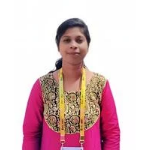
Mrs.Nandhini Muthukumaran
Nanotechnologist
Founder and Director of Nano Nest Private Limited
Excels in the fabrication of nanoparticles
Expertise in characterization of nanomaterials
Skilled in curating scientific and technical workshops
Delivers complex concepts in a clear and understandable manner
Experienced in hands-on training and practical demonstrations
Strong ability to engage students, researchers, and professionals
Focused on industry-relevant and application-oriented learning